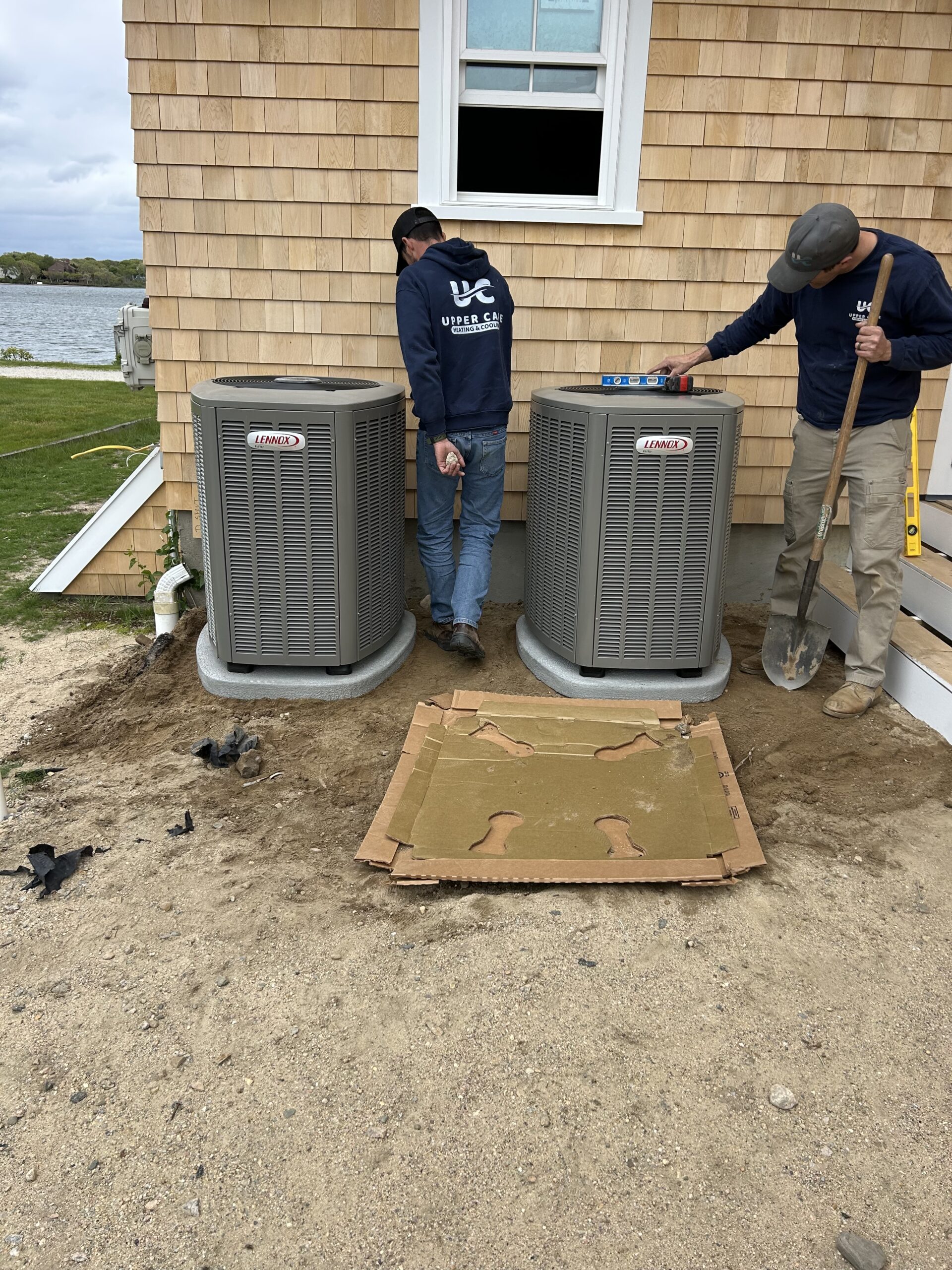
For years, the conventional wisdom was that highly efficient systems like heat pumps were only suitable for new construction with perfectly sealed, well-insulated walls. If your home predates the 1980s, you might be wondering if making the switch to a heat pump is even possible.
The short answer is a resounding yes. Modern cold-climate heat pumps are revolutionizing HVAC and are an excellent fit for older, existing homes—but the strategy for installation is different than for a brand-new build.
Here is how heat pumps successfully integrate into historic and older homes, and what steps you may need to take to ensure optimal performance.
The Myth vs. The Modern Reality
The belief that heat pumps struggle in cold climates or old homes is based on outdated technology. Older heat pumps often relied on less efficient components that would switch to expensive electric resistance backup heat when temperatures dropped below freezing.
Today’s technology is completely different:
-
Cold-Climate Capability: Modern heat pumps utilize inverter technology and enhanced refrigerants, allowing them to extract usable heat energy from the air even when temperatures are far below zero (often down to -15°F or lower).
-
Constant, Even Heat: Unlike furnaces that deliver bursts of hot air, heat pumps deliver a more consistent, lower-temperature heat. This is actually ideal for older homes, as it prevents sudden temperature swings and maintains steady comfort.
The Real MVP: The Home’s Envelope
A heat pump doesn’t fail in an old home; it simply highlights where the home is inefficient. The primary factor in a heat pump’s success isn’t the system itself, but how well your home retains the conditioned air—your “envelope.”
Before installing any new HVAC system, especially a heat pump, consider these crucial preparation steps:
-
Air Sealing: This is often the most cost-effective upgrade. Sealing cracks around windows, doors, electrical outlets, and plumbing penetrations prevents conditioned air from escaping and cold air from sneaking in.
-
Insulation Check: Ensuring your attic, walls, and crawl spaces have adequate insulation is critical. Even a small insulation upgrade can drastically reduce the heating load, allowing a smaller, more efficient heat pump to handle the whole job.
-
Duct Integrity (If Applicable): If you plan to use a ducted heat pump, check your existing ductwork for leaks and consider insulating ducts running through unconditioned spaces (like basements or attics).
The Takeaway: By investing in small weatherization improvements first, you reduce the size and cost of the heat pump you need, leading to dramatically higher efficiency and faster payback.
Ducted or Ductless? The Old Home Solution
Many older homes were built with boilers or radiators and lack the central ductwork required by traditional heat pump systems. Fortunately, modern heat pump technology provides two perfect solutions:
| System Type | Best for Old Homes That… | Benefits |
| Ductless Mini-Splits | Lack existing ductwork or have additions/garages. | Provides zoned heating and cooling, allowing you to control the temperature in individual rooms. Installation is minimally invasive. |
| Ducted Heat Pump | Have existing central ductwork in decent condition. | Utilizes your current infrastructure for whole-home comfort, saving on installation costs. |
| Hybrid Systems | Are very large or in extremely cold climates. | Pairs a heat pump with an existing furnace (gas/oil) as an emergency backup, maximizing efficiency while providing peace of mind. |
Ready to Modernize Your Comfort?
You don’t have to sacrifice your home’s historic charm to enjoy 21st-century comfort and efficiency. Our team specializes in assessing older homes and designing a custom heat pump solution that works with your existing structure, not against it.
Contact us today for a home energy assessment and discover how a new heat pump can drastically cut your energy bills and keep your classic home perfectly comfortable all year round!
Leave a Reply